10 Goal and Objective Examples for 2025
Explore our curated list of 10 practical goal and objective examples. Learn how to set, track, and achieve your targets with actionable insights and strategies.
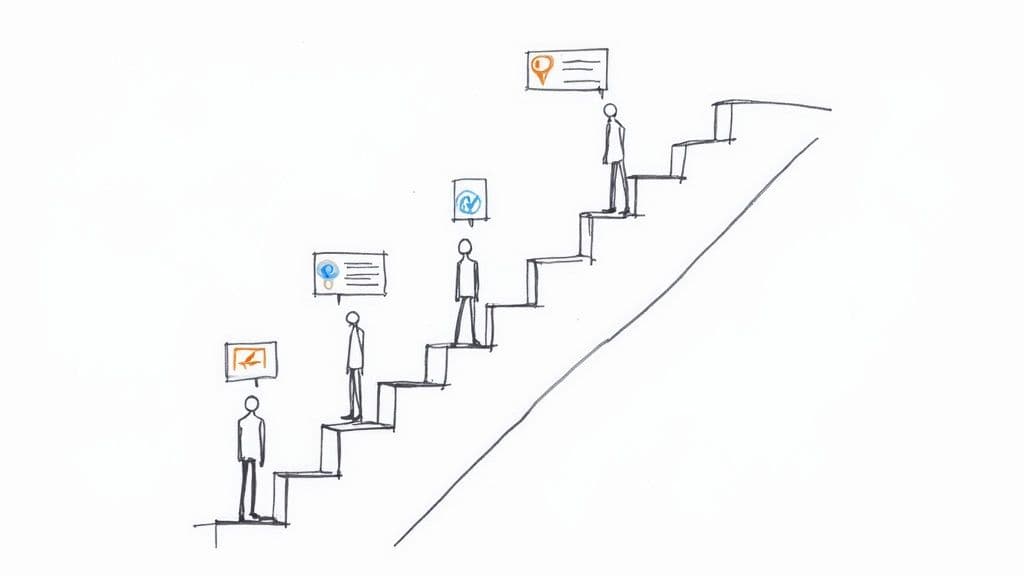
Setting a goal is the easy part. The real challenge is translating that broad ambition into a tangible, achievable outcome. The critical link between aspiration and achievement is a set of well-defined objectives: the specific, measurable, and time-bound steps that form your action plan. Without clear objectives, even the most inspiring goal remains just an idea.
This guide moves beyond theory to provide 10 practical goal and objective examples across key business and personal development areas. We will dissect each example, breaking down the high-level goal into its tactical objectives. For each one, you’ll find a strategic analysis that explains why the structure works and actionable takeaways you can apply immediately to your own planning.
Whether you're a startup founder aiming for market expansion, a project manager driving a digital transformation, or an individual focused on skill development, this listicle provides a clear framework. You will learn how to build a reliable roadmap that turns your vision into measurable progress. This isn't just a list; it’s a blueprint for converting ambition into action and achieving consistent, meaningful results.
1. Sales Revenue Growth Goal with Quarterly Revenue Targets
This classic approach pairs a high-level annual goal with specific, time-bound quarterly objectives. The overarching goal defines the "what" (e.g., increase annual revenue by 40%), while the quarterly objectives define the "how" by breaking the target into manageable milestones. This structure is one of the most effective goal and objective examples for maintaining momentum and enabling strategic adjustments throughout the year.
The primary benefit is proactive course correction. Instead of discovering a significant revenue gap in December, teams can identify and address performance issues every three months. This method provides a clear, motivating roadmap for sales and marketing teams.
Strategic Breakdown
- Goal: Increase annual sales revenue from $1.4M to $2M.
- Q1 Objective: Achieve $500,000 in new and recurring revenue.
- Q2 Objective: Achieve $520,000 in new and recurring revenue, accounting for seasonal growth.
- Q3 Objective: Achieve $540,000 in revenue, capitalizing on peak buying season.
- Q4 Objective: Achieve $440,000 in revenue, accounting for typical holiday slowdowns.
Actionable Takeaways
This model is powerful because it connects a long-term vision to short-term actions.
Key Insight: The quarterly breakdown isn't just about dividing the annual target by four. It strategically accounts for market seasonality, product launch timelines, and historical sales data to set realistic, yet challenging, milestones for each period.
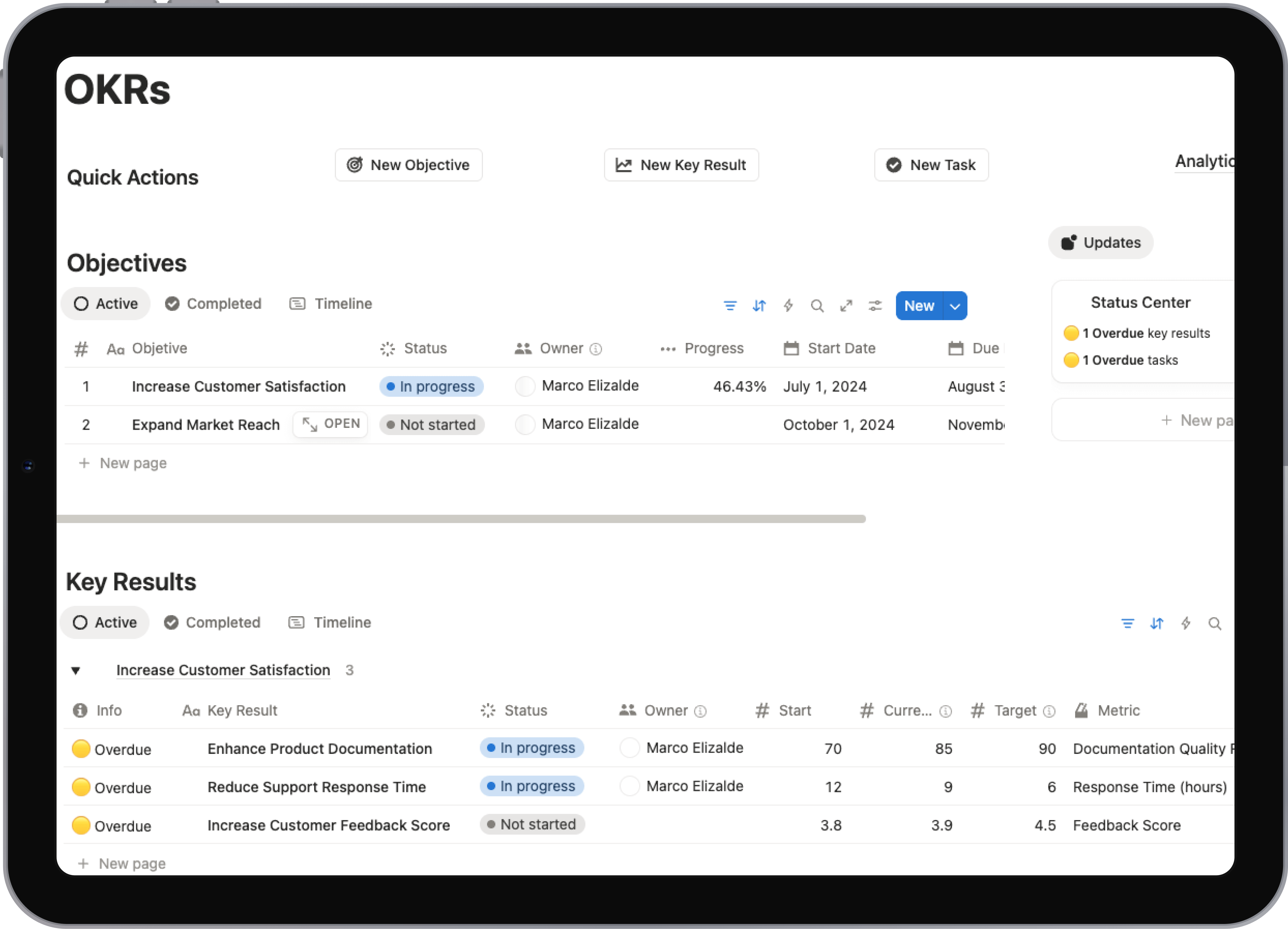
To implement this, segment your annual goal based on predictable business cycles. For more complex operations, you can further break down these objectives using a structured framework. Many teams use tools like an OKRs manager to track progress from the overarching goal down to specific key results. Conduct monthly reviews to ensure you are on track to meet each quarterly objective, giving you ample time to pivot if needed.
2. Employee Development Goal with Specific Skills Certification Objectives
This powerful goal and objective example links broad organizational needs with tangible individual achievements. The overarching goal is to enhance workforce capabilities, while the objectives define the precise certifications, training hours, or competency levels required. This approach directly translates strategic business needs, such as improving cybersecurity or cloud proficiency, into a clear development path for employees.
The main advantage is measurable upskilling. It removes ambiguity from professional development by setting clear, verifiable benchmarks for success. This creates a transparent framework where both the company and the employee understand what is required to close critical skill gaps, fostering a culture of continuous learning and growth.
Strategic Breakdown
- Goal: Build advanced in-house technical capabilities to reduce reliance on external contractors.
- Objective 1: 80% of the engineering team will obtain AWS Solutions Architect certification by December 31.
- Objective 2: The entire sales team will complete a consultative selling course and pass the final assessment with an 80% or higher score by the end of Q3.
- Objective 3: The entire IT department will achieve CompTIA Security+ certification within 12 months to enhance our cybersecurity posture.
Actionable Takeaways
This model is most effective when employee growth is directly tied to strategic business priorities.
Key Insight: The success of this approach hinges on aligning certifications with future business needs, not just current roles. This ensures the organization is building the skills required for long-term innovation and competitiveness, making talent development a strategic asset.
To implement this, first identify the critical skills your organization will need in the next 1-3 years. Next, provide resources like study time during work hours and financial incentives for completion. For those looking to structure their own professional growth, consider using a variety of goal planner templates to map out the required learning path. Finally, create peer learning groups to build mutual accountability and support throughout the certification process.
3. Customer Satisfaction Goal with Net Promoter Score (NPS) Improvement Objectives
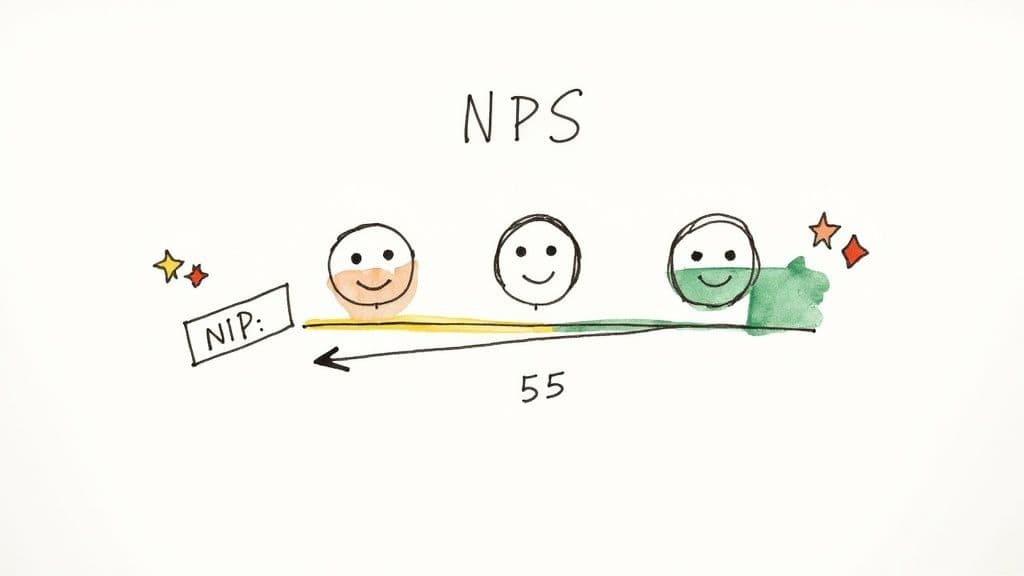
This powerful goal and objective example links the broad aim of improving customer loyalty to a specific, quantifiable metric: the Net Promoter Score (NPS). The overarching goal defines the desired outcome (e.g., become a top-tier service provider), while the objectives set clear, measurable targets for NPS improvement. This approach translates the abstract concept of "customer happiness" into a tangible score that teams can actively influence.
The key benefit is its diagnostic power. A declining NPS score acts as an early warning system, signaling underlying issues in product, service, or support. This allows organizations to move beyond reactive problem-solving and implement proactive strategies to enhance the customer experience, directly impacting retention and referrals.
Strategic Breakdown
- Goal: Elevate customer loyalty to become an industry leader in customer satisfaction.
- Q1-Q2 Objective: Establish a baseline and improve overall NPS from 35 to 45 by implementing a standardized customer feedback loop.
- Q3 Objective: Increase NPS to 50 by launching a targeted training program for support staff based on detractor feedback analysis.
- Q4 Objective: Achieve an NPS of 55 by addressing the top two product-related issues identified in customer surveys.
Actionable Takeaways
This model anchors a critical business outcome (loyalty) to a single, influential metric.
Key Insight: Success with NPS isn't just about the final score; it's about systematically converting detractors into passives and passives into promoters. This requires a deep analysis of feedback to understand the "why" behind the score.
To implement this, first establish your baseline NPS. Survey customers quarterly to track momentum and segment the data by customer cohort or product line to uncover specific pain points. Create dedicated action plans to address feedback from detractors and use insights from promoters to identify what you are doing right. This continuous improvement cycle is fundamental to achieving meaningful gains in customer satisfaction.
4. Project Delivery Goal with Sprint-Based Completion Objectives
This agile-focused approach pairs a high-level project goal with specific, time-bound sprint objectives. The goal defines the "what" (e.g., launch a new mobile app feature), while the sprint objectives define the "how" by breaking the work into manageable user stories or tasks to be completed in short cycles. This structure is one of the best goal and objective examples for teams that need to adapt to changing requirements while maintaining accountability and momentum.
The primary benefit is iterative progress and flexibility. Instead of a rigid, long-term plan, teams can deliver value incrementally, gather feedback, and adjust priorities every few weeks. This method provides a clear, transparent roadmap for development and product teams.
Strategic Breakdown
- Goal: Launch the new mobile app "Dashboard V1" feature by the end of the quarter.
- Sprint 1 Objective: Complete user authentication and data connection features (42 story points).
- Sprint 2 Objective: Build the primary dashboard UI and core data visualization components (45 story points).
- Sprint 3 Objective: Implement user customization and notification features (40 story points).
- Sprint 4 Objective: Complete final testing, bug fixes, and prepare for deployment.
Actionable Takeaways
This model is powerful because it connects a project vision to a predictable, short-term delivery cadence.
Key Insight: Success depends on ruthless prioritization and consistent velocity tracking. The objectives aren't just a to-do list; they represent a commitment to deliver a specific amount of value, measured in story points, within a fixed timeframe.
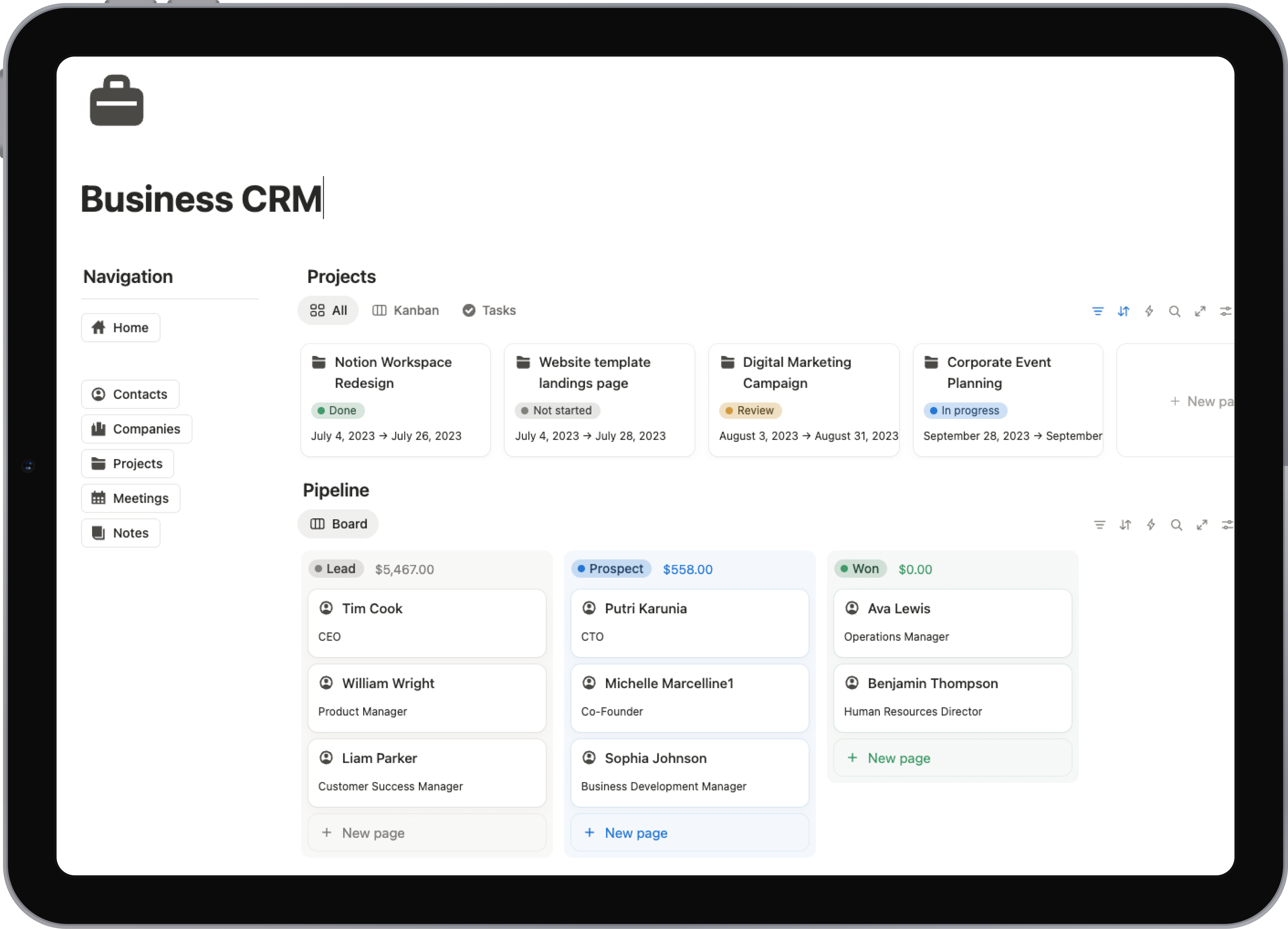
To implement this, you must first have a solid process for estimating work. To effectively set and achieve sprint-based completion objectives, it's vital to begin by understanding what a sprint is within agile development. Track your team's velocity (story points completed per sprint) to forecast timelines accurately. Use tools to manage your backlog and sprint progress, which you can learn more about in guides on using Notion for project management. Hold daily stand-ups to resolve blockers and ensure everyone is aligned.
5. Cost Reduction Goal with Departmental Budget Savings Objectives
This goal and objective example cascades a company-wide financial target into specific, actionable objectives for individual departments. The high-level goal defines the "what" (e.g., reduce annual operating costs by 15%), while departmental objectives define the "how" by assigning ownership for specific savings targets. This approach fosters distributed accountability and empowers teams to find efficiencies within their own domains.
The primary benefit is targeted efficiency. Instead of a vague, top-down mandate to "cut costs," this method encourages departmental leaders to identify specific, high-impact opportunities, from renegotiating vendor contracts to optimizing internal processes. This makes cost reduction a collaborative, strategic initiative rather than a demoralizing, across-the-board cut.
Strategic Breakdown
- Goal: Reduce annual operating costs by 15% (from $5M to $4.25M) to improve profit margins.
- Operations Objective: Achieve $300,000 in savings by implementing new automation software and optimizing supply chain logistics.
- Marketing Objective: Save $250,000 by consolidating ad tech vendors and shifting budget to higher-ROI channels.
- IT Objective: Cut costs by $100,000 through cloud infrastructure consolidation and reducing redundant software licenses.
- HR Objective: Reduce recruitment agency fees by $100,000 by building an in-house talent pipeline.
Actionable Takeaways
This model transforms cost-cutting from a restrictive exercise into a strategic hunt for operational excellence.
Key Insight: Effective cost reduction isn’t about slashing budgets indiscriminately. It's about empowering the people closest to the work to identify and eliminate waste, which often leads to process improvements and innovation.
To implement this, start by conducting a thorough audit of departmental spending to identify potential savings. Assign clear, realistic savings objectives to each department head and track progress transparently. For a detailed approach to implementing your cost reduction initiatives and achieving departmental budget savings, refer to this practical guide to reduce operational costs. Critically, communicate the "why" behind the goal to ensure team buy-in and prevent a negative impact on morale.
6. Market Expansion Goal with Geographic or Segment Entry Objectives
This strategic approach connects a high-level goal of business growth with tangible, phased objectives for entering new markets. The goal defines the broad ambition (e.g., expand internationally), while the objectives outline the specific geographic regions or customer segments to penetrate, complete with quantifiable targets. This is one of the most effective goal and objective examples for structuring systematic and scalable growth.
The primary benefit is focused resource allocation. Instead of a scattered, reactive approach to expansion, this model ensures that capital, talent, and marketing efforts are concentrated on one validated market at a time, increasing the probability of success before moving to the next target. It transforms a daunting vision into a deliberate, step-by-step campaign.
Strategic Breakdown
- Goal: Expand business operations into the North American market to diversify revenue streams.
- Year 1 Objective: Successfully enter the Canadian market, achieving 5% market share and establishing a dedicated local sales team.
- Year 2 Objective: Launch in the Mexican market, securing an initial 3% market share and adapting the product for local compliance and language.
- Year 3 Objective: Penetrate the U.S. healthcare vertical, generating 20% of new North American revenue from this segment.
Actionable Takeaways
This model is ideal for companies moving from a single-market focus to a multi-market operation.
Key Insight: Successful expansion isn't just about presence; it's about sequence and adaptation. Prioritizing markets based on research and creating objectives that account for localization, from product features to marketing messages, is critical for gaining a foothold.
To implement this, start with thorough market research to identify and prioritize your entry points. Launch pilot programs to test product-market fit and validate your strategy with minimal risk. Allocate sufficient capital and experienced leadership to each new market entry, planning for a typical 18-24 month timeline to reach breakeven. Build local partnerships or hire regional talent early to navigate cultural and regulatory nuances effectively.
7. Quality Improvement Goal with Defect Reduction Rate Objectives
This manufacturing and service-focused model sets a high-level goal for quality excellence and pairs it with specific objectives to reduce defects or errors. The overarching goal establishes a commitment to superior quality, while the objectives provide quantifiable targets for improvement. This is one of the most powerful goal and objective examples for industries where precision, reliability, and customer satisfaction are paramount.
The core benefit is its direct impact on operational efficiency and customer trust. By systematically identifying and eliminating flaws, organizations not only reduce waste and rework costs but also enhance their market reputation. This approach transforms quality from a reactive inspection process into a proactive, integrated part of the production or service delivery lifecycle.
Strategic Breakdown
- Goal: Achieve industry-leading software stability and performance.
- Q1 Objective: Reduce critical bugs reported post-launch by 60% through enhanced automated testing protocols.
- Q2 Objective: Decrease security vulnerabilities by 80% by integrating static code analysis into the CI/CD pipeline.
- Q3 Objective: Improve system uptime to 99.95% by optimizing server infrastructure and redundancy.
- Q4 Objective: Reduce customer-reported performance issues by 50% by implementing proactive monitoring and alerts.
Actionable Takeaways
This model succeeds by making an abstract concept like "quality" tangible and measurable.
Key Insight: Effective quality improvement isn't about blaming individuals for errors; it's about refining the systems and processes that allow those errors to occur. The objectives should target process enhancements, not just final outcomes.
To implement this, start by establishing clear baseline metrics for your current defect or error rates. Use methodologies like Six Sigma or Lean to identify the root causes of quality issues. Invest in employee training on new quality standards and provide teams with real-time dashboards to track progress against their reduction targets. This creates a culture of continuous improvement where every team member is empowered to uphold quality standards.
8. Digital Transformation Goal with Technology Adoption Rate Objectives
This modernization-focused approach pairs a high-level goal of achieving organizational digital maturity with objectives that measure technology implementation, user adoption, and process digitization. The overarching goal defines the "what" (e.g., transition to a cloud-based infrastructure), while the objectives define the "how" through specific, measurable adoption targets. This is one of the most critical goal and objective examples for companies seeking to maintain a competitive edge.
The primary benefit is tangible progress tracking on initiatives that can otherwise feel abstract. Instead of simply implementing new software, this method forces a focus on whether the technology is actually being used and delivering value, connecting IT investment directly to business outcomes.
Strategic Breakdown
- Goal: Fully digitize the manufacturing process to increase efficiency and data visibility.
- Objective 1: Implement IoT sensors on 100% of production lines within 18 months.
- Objective 2: Achieve 85% data integration from production lines into the central analytics platform by year-end.
- Objective 3: Train and certify 95% of all floor technicians on the new digital tools within 12 months.
- Objective 4: Reduce production line downtime by 20% as a direct result of predictive maintenance insights from the new system.
Actionable Takeaways
This model succeeds by shifting the focus from mere implementation to impactful adoption.
Key Insight: True digital transformation isn't about buying software; it's about changing how people work. The objectives must measure human factors like training completion and daily usage rates, not just system deployment, to ensure the investment yields a return.
To implement this, start with a digital maturity assessment to identify the most impactful areas for change. Prioritize initiatives with clear business cases and secure strong executive sponsorship to drive the necessary organizational shifts. Invest heavily in change management, communication, and employee training to overcome resistance and accelerate adoption. Use analytics to measure usage and gather feedback for continuous improvement.
<iframe width="560" height="315" src="https://www.youtube.com/embed/GjdGqf_3oSs" frameborder="0" allow="accelerometer; autoplay; clipboard-write; encrypted-media; gyroscope; picture-in-picture" allowfullscreen></iframe>9. Employee Engagement Goal with Participation Rate and Satisfaction Score Objectives
This human capital approach connects a high-level goal of fostering a vibrant workplace culture to tangible objectives based on employee participation and feedback. The overarching goal defines the "what" (e.g., build a high-engagement culture), while the objectives define the "how" through measurable metrics like survey scores and program enrollment. This is one of the most effective goal and objective examples for translating abstract cultural ambitions into concrete, actionable results.
The primary benefit is quantifiable cultural improvement. Instead of relying on anecdotal evidence, this structure allows HR and leadership teams to measure the direct impact of their initiatives on employee satisfaction, retention, and productivity. It provides a clear framework for diagnosing issues and proving the ROI of engagement efforts.
Strategic Breakdown
- Goal: Build a high-engagement workplace culture that attracts and retains top talent.
- Objective 1: Achieve 85% participation in the annual engagement survey and increase the overall satisfaction score from 7.2 to 8.5 out of 10 by year-end.
- Objective 2: Increase enrollment in the new employee wellness program to 70% by the end of Q3.
- Objective 3: Achieve a 90% attendance rate for quarterly team development workshops.
- Objective 4: Improve the employee Net Promoter Score (eNPS) from 45 to 60.
Actionable Takeaways
This model is powerful because it makes culture a measurable business priority, directly linking employee sentiment to operational success.
Key Insight: The objectives are not just about launching programs; they are about measuring the adoption and impact of those programs. A low participation rate is just as telling as a low satisfaction score, signaling a disconnect between the initiative and employee needs.
To implement this, start with a validated survey tool like Gallup's Q12 to establish a baseline. Use the results to identify key drivers of dissatisfaction and create targeted initiatives. Communicate survey findings transparently and involve cross-functional teams in developing action plans. Finally, tie manager performance metrics to their team's engagement scores to ensure accountability and drive change from the ground up.
10. Sustainability Goal with Carbon Footprint Reduction Objectives
This approach connects a long-term corporate vision for environmental responsibility to concrete, measurable actions. The goal sets an ambitious direction, like achieving net-zero emissions, while the objectives define the specific steps required across different operational areas, from energy consumption to supply chain management. This pairing is one of the most critical goal and objective examples for modern businesses facing regulatory pressure and consumer demand for sustainability.
The primary benefit is strategic alignment and accountability. Instead of making a vague pledge, this structure forces an organization to quantify its impact and create a phased plan for improvement. It transforms an abstract concept into a tangible, multi-departmental project with clear targets and timelines.
Strategic Breakdown
- Goal: Achieve carbon-neutral operations in the flagship manufacturing facility by 2030.
- Objective 1 (Emissions): Reduce direct manufacturing emissions (Scope 1 & 2) by 40% by 2026 through comprehensive energy efficiency upgrades.
- Objective 2 (Supply Chain): Source 75% of all raw materials from certified sustainable suppliers within three years.
- Objective 3 (Energy): Transition the facility to 100% renewable energy through a combination of on-site solar and power purchase agreements by 2028.
- Objective 4 (Waste): Achieve 90% waste diversion from landfills by 2025 by implementing a circular economy model for production byproducts.
Actionable Takeaways
This model successfully translates a broad environmental commitment into an operational roadmap. It demonstrates that sustainability is not just a marketing claim but a core business strategy.
Key Insight: The objectives are intentionally diversified across different sources of environmental impact-emissions, supply chain, energy, and waste. This holistic approach ensures that progress in one area is not undermined by neglect in another, creating genuine and defensible sustainability credentials.
To implement this, start by conducting a thorough carbon footprint assessment to identify your primary impact areas (Scope 1, 2, and 3 emissions). Use this data to set science-based targets that align with global climate goals. Engage suppliers early in the process and communicate progress transparently to stakeholders to build trust and maintain momentum.
Comparison of 10 Goals & Objectives
| Approach | Implementation Complexity 🔄 | Resource Requirements ⚡ | Expected Outcomes 📊⭐ | Ideal Use Cases 💡 | Key Advantages ⭐ |
|---|---|---|---|---|---|
| Sales Revenue Growth Goal with Quarterly Revenue Targets | 🔄🔄 — periodic planning & forecasting | ⚡⚡ — sales ops, analytics | 📊 Predictable revenue cadence; measurable growth ⭐⭐⭐ | Companies needing steady fiscal tracking | ⭐ Aligns to reporting; early underperformance warning |
| Employee Development Goal with Specific Skills Certification Objectives | 🔄🔄 — program design & coordination | ⚡⚡⚡ — training budget & time | 📊 Measurable skill gains; retention lift ⭐⭐ | Upskilling, talent retention, technical teams | ⭐ Credentials verify skills; clear career paths |
| Customer Satisfaction Goal with NPS Improvement Objectives | 🔄🔄 — survey + feedback processes | ⚡⚡ — survey tools & analysis | 📊 Improved loyalty & retention; benchmarkable ⭐⭐⭐ | Service-led and subscription businesses | ⭐ Simple metric; drives customer-centric alignment |
| Project Delivery Goal with Sprint-Based Completion Objectives | 🔄🔄🔄 — requires disciplined agile practices | ⚡⚡ — cross-functional teams & tooling | 📊 Frequent, tangible deliveries; faster iteration ⭐⭐⭐ | Software/product teams needing rapid delivery | ⭐ Enables quick course correction; visibility |
| Cost Reduction Goal with Departmental Budget Savings Objectives | 🔄🔄 — requires audits and governance | ⚡⚡ — process changes, minor investments | 📊 Direct margin improvement; measurable savings ⭐⭐⭐ | Organizations focused on profitability & efficiency | ⭐ Distributes accountability; drives efficiency |
| Market Expansion Goal with Geographic or Segment Entry Objectives | 🔄🔄🔄 — complex market-entry planning | ⚡⚡⚡ — market research, local teams, capital | 📊 New revenue streams but higher failure risk ⭐⭐ | Growth-stage firms ready to scale into new markets | ⭐ Diversifies revenue; strategic direction |
| Quality Improvement Goal with Defect Reduction Rate Objectives | 🔄🔄🔄 — process redesign & control systems | ⚡⚡ — training, QA tools, audits | 📊 Fewer defects, lower rework costs; reliability ⭐⭐⭐ | Manufacturing, software, service reliability programs | ⭐ Improves customer satisfaction; reduces costs |
| Digital Transformation Goal with Technology Adoption Rate Objectives | 🔄🔄🔄 — cross-org change management | ⚡⚡⚡ — platforms, integration, training | 📊 Long-term efficiency & scalability gains ⭐⭐⭐ | Organizations modernizing legacy systems | ⭐ Enables data-driven decisions; scalability |
| Employee Engagement Goal with Participation Rate and Satisfaction Score Objectives | 🔄🔄 — survey programs + action plans | ⚡⚡ — HR initiatives, communications | 📊 Higher retention and productivity; culture ⭐⭐⭐ | Companies prioritizing retention & culture | ⭐ Strengthens employer brand; boosts performance |
| Sustainability Goal with Carbon Footprint Reduction Objectives | 🔄🔄🔄 — measurement, supply-chain changes | ⚡⚡⚡ — investments, audits, sourcing | 📊 Reputation, regulatory compliance, long-term savings ⭐⭐⭐ | Consumer brands, regulated industries, ESG-focused firms | ⭐ Reduces regulatory risk; attracts ESG investors |
Putting These Examples Into Practice: Your Next Steps
We've explored a comprehensive range of goal and objective examples, from boosting sales revenue and expanding into new markets to enhancing employee engagement and driving sustainability. Across all these diverse scenarios, a powerful, unifying thread emerges: clarity is the engine of achievement. A well-defined goal provides the "why," while sharp, measurable objectives provide the "how."
The true value of these examples isn't just in seeing what's possible, but in understanding the underlying structure. Each successful outcome, whether it's hitting a quarterly sales target or reducing a project's defect rate, is the result of a deliberate process. It's about breaking down a grand vision into a series of manageable, trackable, and time-bound steps.
From Theory to Action: Key Takeaways
As you move forward, remember the core principles that make these frameworks effective. The distinction between a high-level goal and its ground-level objectives is crucial for both motivation and execution. This strategic separation prevents teams from getting lost in the weeds or, conversely, from having a vision with no practical path forward.
Consider the most impactful takeaways from the goal and objective examples we've detailed:
- Specificity is Non-Negotiable: Vague aspirations like "improve customer satisfaction" are powerless. A specific objective, such as "Increase Net Promoter Score (NPS) from 45 to 52 by the end of Q3," creates an unambiguous target.
- Measurement Defines Reality: If you can't measure it, you can't manage it. Objectives must have quantifiable metrics, whether it's a percentage increase, a specific number, or a completion date. This is what transforms a wish into a plan.
- Time Creates Urgency: Every objective needs a deadline. Time constraints force prioritization and create a natural cadence for progress reviews, ensuring that momentum is never lost.
Your Action Plan for Implementation
Feeling inspired is the first step, but taking action is what generates results. Don't try to overhaul everything at once. Instead, build momentum by applying these concepts to a single, high-impact area of your work or personal life.
Here is a simple, three-step process to get started:
- Select Your Focus Area: Choose one goal that will make a significant difference in the next 90 days. Will you focus on a professional project, a personal development milestone, or a key business metric?
- Adapt an Example: Review the goal and objective examples in this article and find one that aligns with your chosen focus. Use its structure as a template, customizing the metrics and timelines to fit your unique situation.
- Establish a Tracking System: A plan is only as good as your ability to monitor it. You need a centralized place to document your goal, list your objectives, assign owners, and track progress. This is not a "set it and forget it" exercise; it requires active management.
By internalizing this structured approach, you move from simply having ambitions to engineering outcomes. You create a system of accountability and a clear roadmap that empowers you, your team, and your organization to achieve remarkable things.
Ready to turn these examples into your reality? Stop juggling scattered documents and build a powerful system for success with Flowtion. Our battle-tested Notion templates, like the OKRs Manager, provide the exact framework you need to define, track, and crush your goals. Visit Flowtion to start building your blueprint for achievement today.